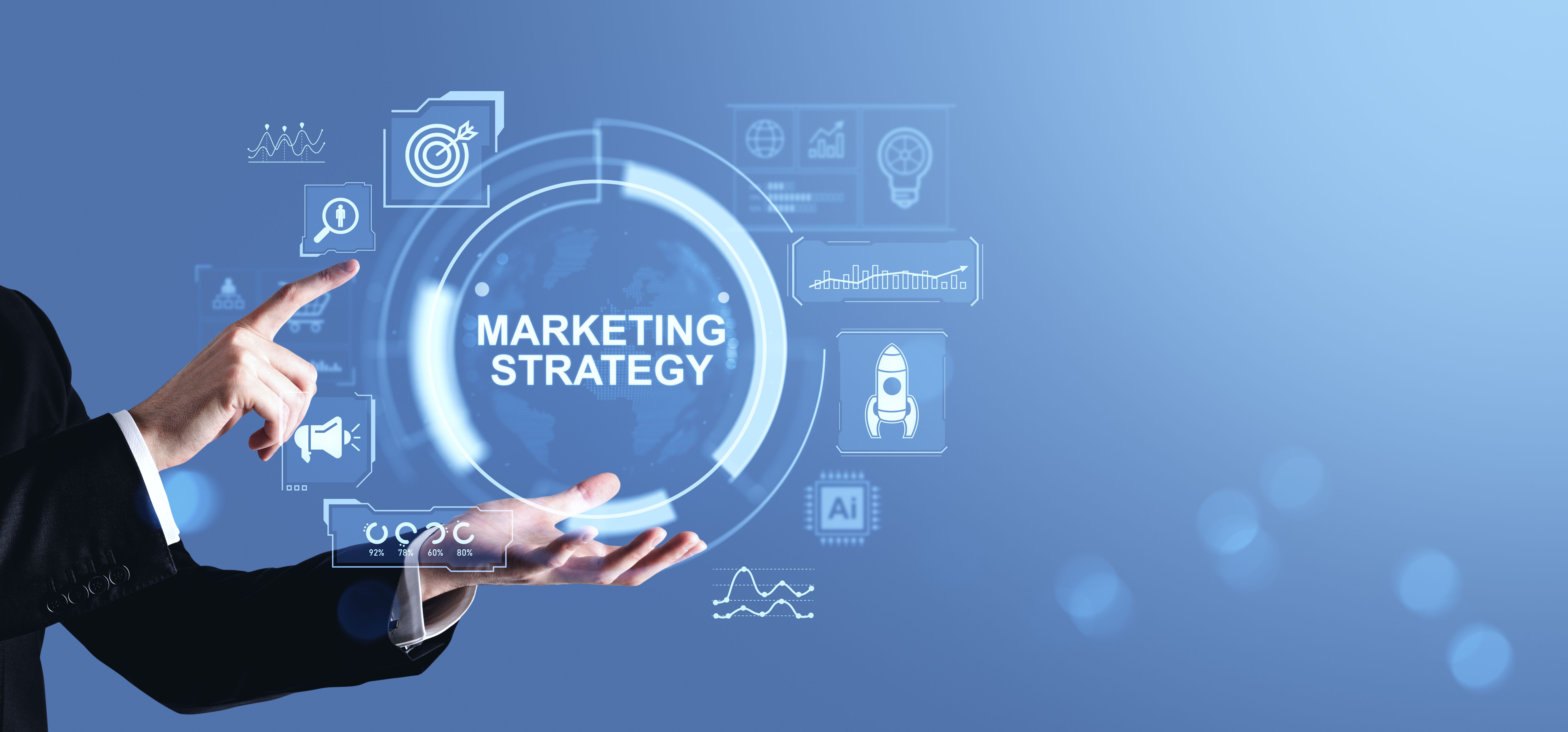
The Future of Marketing Analytics: Trends and Innovations in Modeling


Introduction to Marketing Analytics
As businesses continue to navigate the digital landscape, marketing analytics have become a cornerstone for strategic decision-making. The future of marketing analytics holds exciting possibilities, driven by trends and innovations in modeling that promise to reshape how companies engage with their audiences.
In this rapidly evolving field, staying ahead means understanding the new tools and techniques that are emerging. From predictive analytics to real-time data processing, the future is bright for marketers ready to embrace these advancements.

The Rise of Predictive Analytics
Predictive analytics is taking a front seat in the world of marketing. By utilizing historical data and machine learning algorithms, companies can forecast future trends with remarkable accuracy. This allows businesses to anticipate customer behaviors and tailor their strategies accordingly.
One of the key advantages of predictive analytics is its ability to provide insights into consumer purchasing patterns. By understanding these patterns, businesses can optimize their marketing efforts, ensuring that they reach the right audience at the right time.

Real-Time Data Processing
In today's fast-paced environment, real-time data processing has become essential. This innovation allows marketers to analyze and react to data as it happens, providing a competitive edge. With real-time insights, campaigns can be adjusted on-the-fly to maximize effectiveness.
Real-time analytics also enable more personalized customer interactions. By understanding customer preferences and behaviors in real time, businesses can offer tailored experiences that enhance customer satisfaction and loyalty.
AI and Machine Learning Integration
Artificial intelligence (AI) and machine learning are becoming integral to marketing analytics. These technologies enhance data processing capabilities, allowing for deeper insights and more accurate predictions. AI-driven models can uncover hidden patterns in data, offering valuable strategic insights.
Machine learning algorithms also continuously improve over time, adapting to new data and changing market conditions. This adaptability ensures that businesses remain agile and responsive to new opportunities and challenges.
Ethical Considerations and Data Privacy
As marketing analytics become more sophisticated, ethical considerations and data privacy concerns are increasingly important. Companies must ensure that their data practices comply with regulations and that customer information is handled responsibly.
Transparency and trust are key. By being open about how data is collected and used, businesses can build stronger relationships with their customers, fostering loyalty and long-term success.
Looking Ahead
The future of marketing analytics is filled with potential and promise. By embracing trends such as predictive analytics, real-time data processing, and AI integration, businesses can unlock new opportunities and drive growth.
Staying informed and adaptable will be crucial for marketers aiming to thrive in this dynamic landscape. As technology continues to advance, so too will the possibilities for innovation in marketing analytics.