
A Comprehensive Guide to the 4P Marketing Model in the Digital Age


Introduction to the 4P Marketing Model
The 4P marketing model, also known as the marketing mix, has long been a staple in the toolkit of marketers worldwide. Comprising Product, Price, Place, and Promotion, it provides a framework for developing effective marketing strategies. In the digital age, however, this model requires adaptation to remain relevant and effective.

Product: Beyond Physical Goods
In today's digital marketplace, the concept of "product" has expanded significantly. It now includes not only physical goods but also digital products such as software, e-books, and online courses. Understanding your product's unique value proposition and how it fits into the digital landscape is crucial.
Customization and Personalization
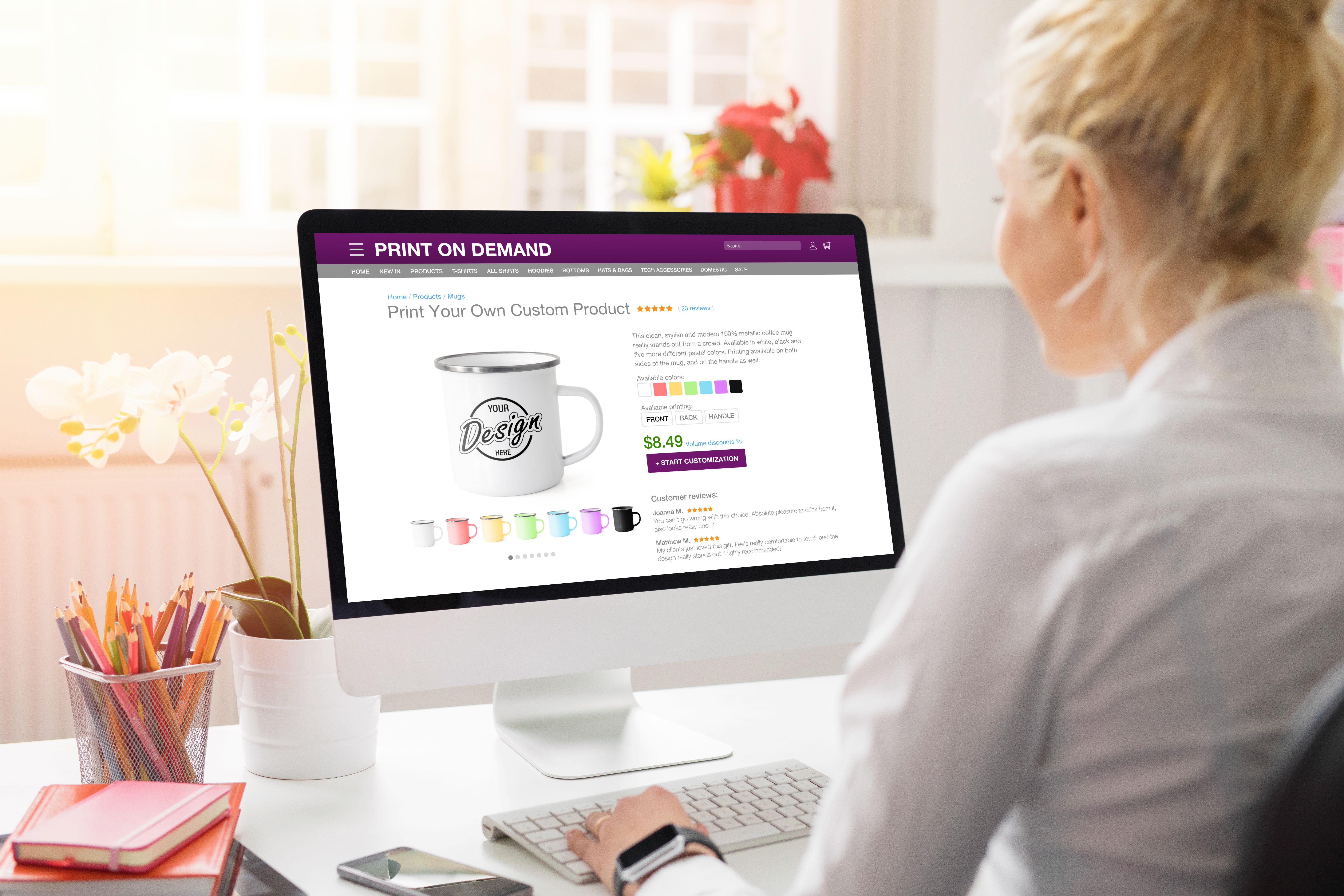
Customers now expect products tailored to their individual needs. Leveraging data analytics can help businesses offer personalized experiences, enhancing customer satisfaction and loyalty.
Price: Dynamic and Competitive
Pricing strategies must be more flexible in the digital age. With easy access to competitor pricing and customer reviews, businesses must adopt dynamic pricing models to stay competitive. This involves adjusting prices based on demand, market conditions, and customer behavior.
Value-Based Pricing
Emphasizing the value offered rather than just the cost can set a brand apart. Highlighting unique features and benefits can justify higher prices and build brand prestige.

Place: Reaching Customers Anywhere
With the rise of e-commerce, the "place" aspect of the 4P model has transformed. Businesses must ensure accessibility across multiple platforms, including mobile, desktop, and various social media channels.
Omnichannel Strategies
Creating a seamless customer experience across all touchpoints is vital. An omnichannel approach integrates both online and offline channels, ensuring consistent messaging and convenience for customers.

Promotion: Engaging in the Digital World
Promotion in the digital age leverages a wide array of tools, from social media marketing to SEO and influencer partnerships. The key is to engage customers where they spend most of their time online.
Content Marketing and Storytelling
Creating compelling content that resonates with your audience can significantly enhance brand engagement. Storytelling helps in building emotional connections, making your brand more memorable.

Conclusion: Adapting the 4P Model
While the core principles of the 4P marketing model remain relevant, adapting them to the digital landscape is essential for success. By leveraging digital tools and strategies, businesses can effectively meet the changing needs of consumers and maintain a competitive edge in the market.