
A Beginner’s Guide to Customer Relationship Management for Marketers


Understanding Customer Relationship Management (CRM)
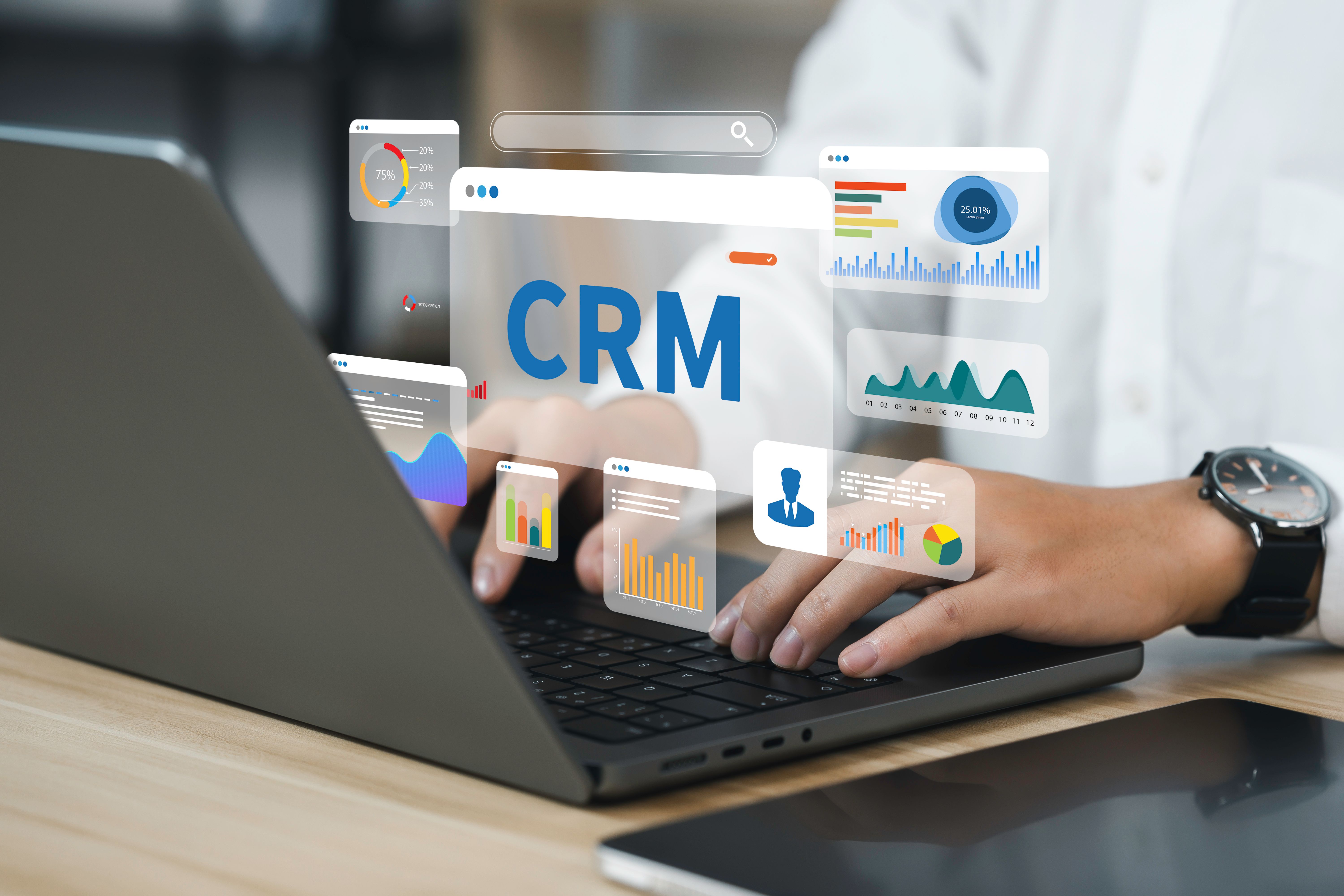
Customer Relationship Management (CRM) is a crucial strategy for businesses aiming to improve their interactions with current and potential customers. By using a CRM system, marketers can streamline processes, enhance customer satisfaction, and ultimately drive sales growth. A CRM system compiles data from various communication channels, including a company's website, telephone, email, live chat, and social media.
Why CRM is Important for Marketers
For marketers, CRM provides valuable insights into customer behavior and preferences, enabling more targeted and effective marketing strategies. It helps in segmenting the audience, personalizing communication, and measuring the effectiveness of marketing campaigns. By analyzing this data, marketers can better understand customer needs and tailor their approaches accordingly.
Enhancing Customer Retention
CRM systems play a vital role in improving customer retention by providing tools to manage customer relationships effectively. Features like automated follow-ups and personalized communication help in nurturing relationships and ensuring customer loyalty.

Key Features of CRM Systems
Modern CRM systems come with a plethora of features designed to enhance marketing efforts. Some of the key features include:
- Contact Management: Centralized storage of contact information for easy access and management.
- Interaction Tracking: Recording all interactions with customers to provide a comprehensive view of their journey.
- Analytics and Reporting: Tools to analyze customer data and generate insightful reports.
Choosing the Right CRM for Your Business
Selecting the right CRM system is crucial for maximizing the benefits. Consider factors like ease of use, integration capabilities, scalability, and cost. It's important to choose a CRM that aligns with your business goals and can adapt to future needs.

Implementing CRM in Your Marketing Strategy
Integrating a CRM system into your marketing strategy requires careful planning and execution. Begin by setting clear objectives and identifying key metrics to track success. Train your team to ensure they are proficient in using the system to its full potential.
Measuring Success with CRM
To gauge the effectiveness of your CRM strategy, regularly measure key performance indicators (KPIs) such as customer acquisition rates, retention rates, and customer satisfaction levels. Utilize the reporting tools within your CRM system to monitor these metrics and adjust your strategies as needed.

Continuous Improvement and Adaptation
CRM is not a one-time implementation but a continuous process that requires regular updates and improvements. Stay informed about the latest CRM trends and technologies to ensure your system remains effective and aligned with market changes.
By understanding and leveraging CRM, marketers can significantly enhance their ability to connect with customers, improve brand loyalty, and drive business growth. Embrace the power of CRM to transform your marketing efforts and achieve long-term success.